5 TAKEAWAYS FROM THE MEDITERRANEAN SUPERYACHT FORUM 2026
Key insights from the Think Tanks on destination strategy, business growth and the future competitiveness of the Mediterranean superyacht ecosystem.
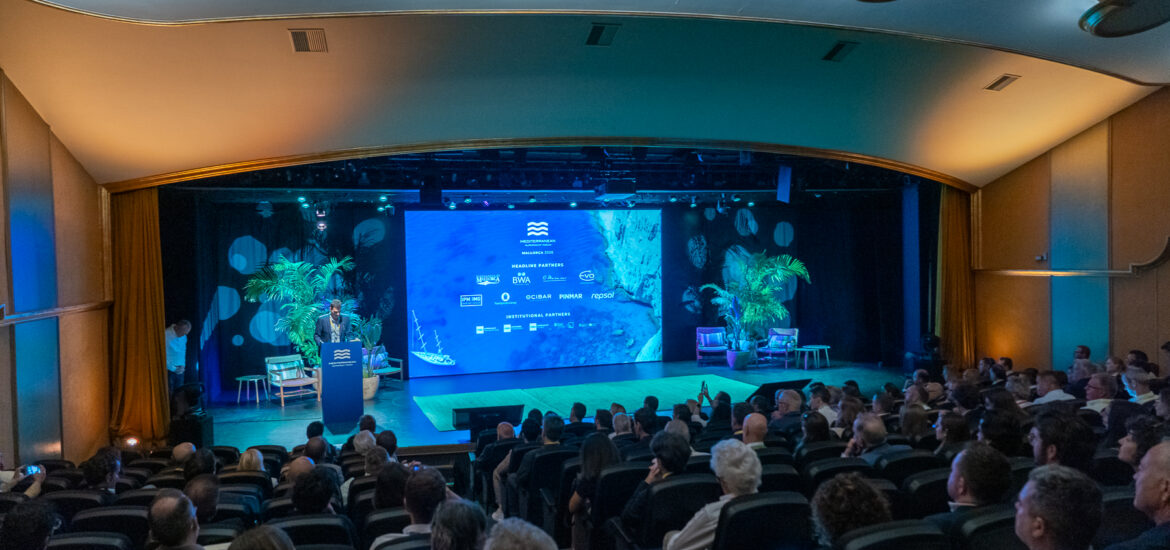
Turning Industry Conversation into Strategic Insight The Mediterranean Superyacht Forum 2026 was designed as more than a traditional conference. Held in Palma on 28 and 29 April, the forum brought together leaders from
across the superyacht ecosystem to explore the strategic challenges shaping the future of the Mediterranean market.
Through keynote sessions, focused Small Group Sessions and three final Think Tanks, the forum created a participatory format where ideas could be tested, challenged and connected across different areas of the industry.
The discussions were structured around three core themes: Destination Strategy, Business Strategy and Commercial Strategy. Across these conversations, one common message emerged: the future of the Mediterranean superyacht ecosystem will depend less on isolated strengths and more on coordination, professionalisation and trust.
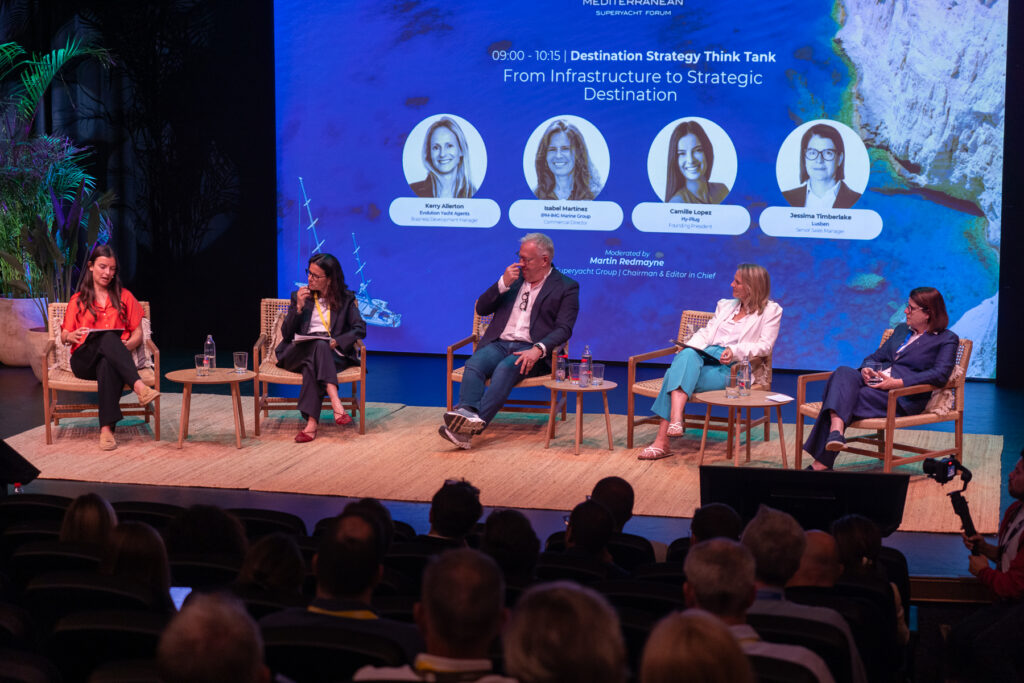
Here are five key takeaways from MSF26. The strongest destinations will be ecosystems, not just locations One of the central conclusions from the Destination Strategy Think Tank was that a competitive yachting destination is not defined by infrastructure alone. Marinas, berths, shipyards and technical capacity remain essential, but they are only part of the equation. A destination becomes truly competitive when infrastructure is connected to talent, services, regulation, crew experience, logistics, local communities and stakeholder coordination. This marks an important shift from an infrastructure-led view of destination strategy to an ecosystem-led view. The strongest Mediterranean destinations will not simply be those with the most facilities, but those able to make the whole experience work better for owners, captains, crew, guests and the local ecosystem around them.
Crew experience is becoming a strategic factor Captains and crew have a major influence on destination choice, especially when it comes to home ports, technical destinations and return patterns. Their experience of a destination matters. Operational efficiency, quality of services, local support, ease of movement, regulation, quality of life and hospitality all influence whether a yacht returns to a destination or looks elsewhere. This means crew experience should not be treated as a secondary consideration. It is part of destination competitiveness. For Mediterranean destinations, the challenge is not only to attract yachts, but to create the conditions that make captains and crew want to return.
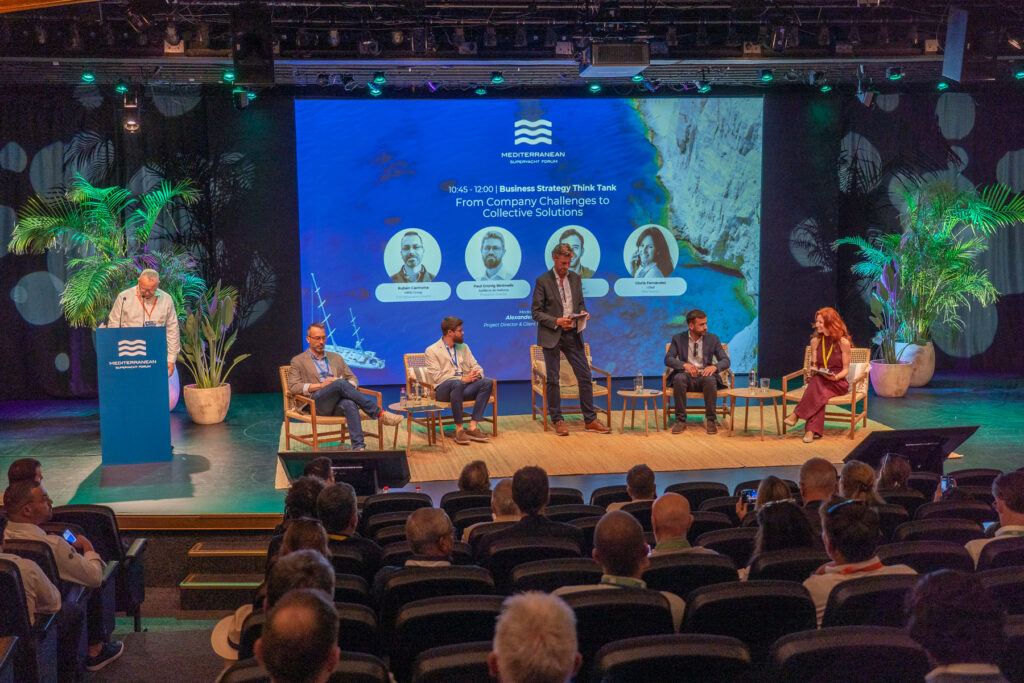
Refit businesses must professionalise without losing their identity The Business Strategy Think Tank focused on a challenge many successful companies in the sector now face: how to grow without losing control, culture, talent or agility. Many refit and yachting businesses are commercially strong, technically respected and trusted by clients. However, they may still rely heavily on founders, key individuals, informal processes or undocumented knowledge.
This creates a strategic risk. A business can be successful today but difficult to scale, transfer, value or future-proof if too much of its capability depends on a small number of people. The future competitiveness of the refit sector will depend on companies that can turn individual knowledge into shared systems, talent into structure, and experience into organisational capability. Professionalisation does not mean unnecessary bureaucracy. It means building the internal structures that allow businesses to grow, adapt and endure.
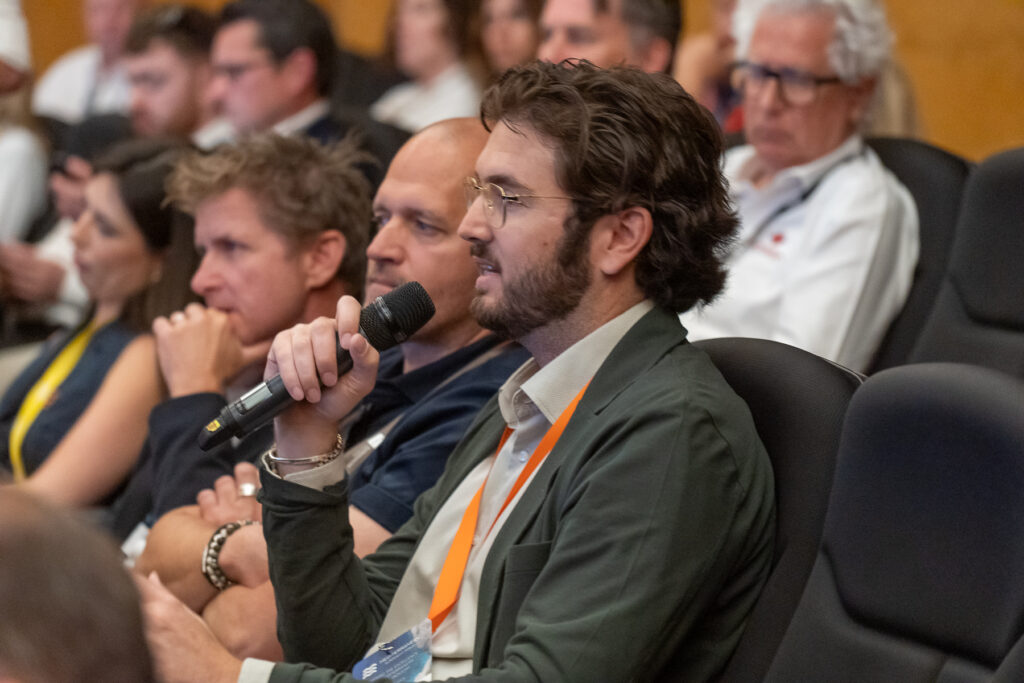
Talent, digitalisation and capital are now strategic questions The forum made clear that some of the most important challenges facing the sector are internal. Talent shortages are limiting growth across the industry. But the solution is
not only to hire more people. Companies need structures capable of training, developing, coordinating and retaining talent over time. Digitalisation is also not simply a question of adopting new tools. It is a cultural challenge. The real issue is how information is organised, how communication flows, and how different stakeholders across the refit and
yachting ecosystem collaborate with greater clarity and traceability. Capital is another increasingly relevant factor. External investment can help companies professionalise, expand and manage succession, but it must fit the
business. Not every company needs capital, and not every form of capital is right for every company. Across all three areas, the conclusion was clear: long-term competitiveness will depend on strategic decision-making, not short-term fixes.
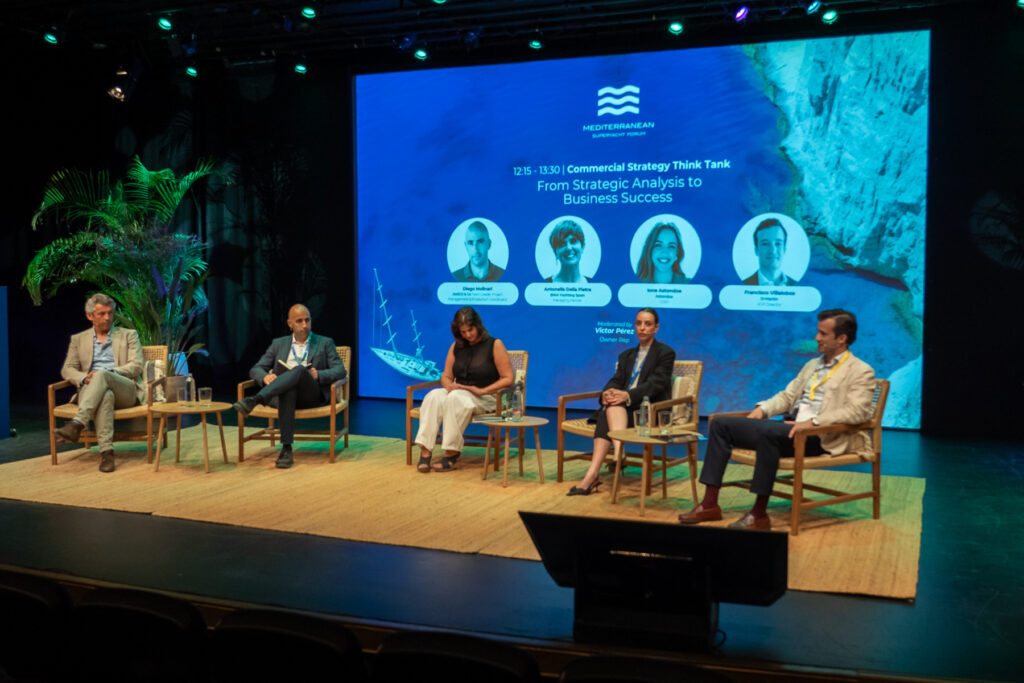
The industry needs to become clearer, more accessible and more trustworthy The Commercial Strategy Think Tank approached sales not as a narrow marketing function, but as a wider chain of value, influence and trust. In yachting, the client is rarely a single person. Decisions are shaped by a complex ecosystem that can include owners, captains, management companies, family offices, shipyards, brokers, agents and technical advisors. Each of these actors evaluates risk differently. Each needs different information, reassurance and communication. At the same time, new owner profiles and first-time buyers may not respond to traditional commercial approaches in the same way. Physical experiences, shipyard visits and boat shows remain important, but they need to be complemented by more selective, relevant and transparent forms of engagement. The ownership experience itself is also a commercial tool. Trust is built or damaged throughout the full journey: design, construction, operation, maintenance, marina stays, refit and resale. The commercial challenge for the superyacht industry is not only to sell more. It is to make the sector clearer, more accessible and more trustworthy for current and future owners.
From isolated strengths to connected strategy Across the three Think Tanks, MSF26 pointed to a shared strategic challenge. Destinations need to connect infrastructure with services, regulation, crew experience and local communities. Companies need to professionalise without losing their culture, agility and specialist expertise.
Commercial actors need to understand the full decision chain and build trust throughout the ownership journey.
The Mediterranean superyacht ecosystem already has deep expertise, strong relationships and world-class capabilities. The opportunity now is to connect those strengths more clearly. That is where the next phase of competitiveness will be defined: not only in individual excellence, but in coordination, professionalisation and trust.
The conversations that began in Palma are set to continue.