BUILDERS AT THE CORE: NEW GLOBAL STUDY REVEALS THE ECONOMIC POWER OF THE SUPERYACHT INDUSTRY
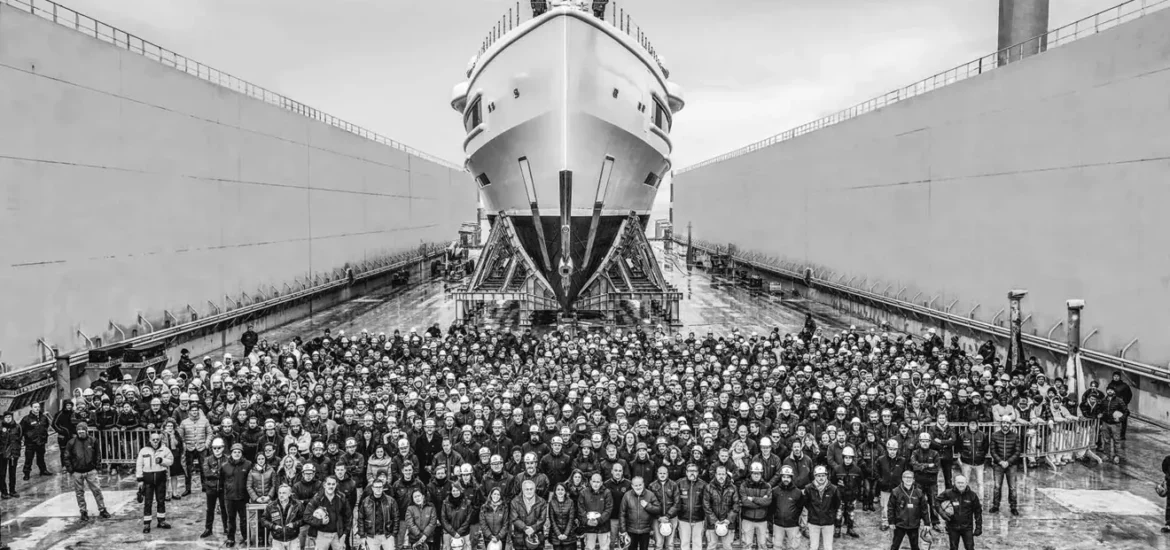
New Study Positions Yacht Builders as the Industrial Foundation of a €54 Billion Global Superyacht Economy. A new landmark study by Deloitte and Vrije Universiteit Amsterdam, Global Economic Impact of the Superyacht Industry, commissioned by Superyacht Life Foundation (SYL) and the Superyacht Builders Association (SYBAss), reveals that the global superyacht sector generated approximately €54 billion in total economic output -based on 2022 data positioning the sector among the world’s most impactful high-value maritime manufacturing ecosystems.
The findings underpin the new Builders Advocacy Campaign, an initiative developed by SYBAss to increase awareness of the critical role yacht builders play in enabling the wider superyacht economy, sustaining skilled employment, driving industrial innovation, and supporting long-term economic activity across global coastal regions.
According to the study, the industry generated €22 billion in direct expenditure, which subsequently created an additional €32 billion in indirect economic activity through global supply chains, tourism, operations, hospitality, and maritime services; demonstrating the sector’s significant multiplier effect across the broader economy.
Yacht Construction Drives the Industry’s Largest Economic Multiplier At the foundation of this entire economic ecosystem lies yacht construction itself.
The study identifies the new build segment as the single most economically catalytic activity within the entire superyacht sector, generating a multiplier effect of 2.8 among the highest within advanced manufacturing and maritime industries. In practical terms, every €1 invested in building a yacht creates an additional €1.8 in economic value across the wider global economy through suppliers, subcontractors, logistics, engineering, services, and long-term operational activities.
While downstream sectors such as fleet operations, charter, tourism, brokerage, marinas, and hospitality account for the majority of recurring annual economic activity, the report’s figures demonstrate that this ecosystem fundamentally depends on the continuous creation and renewal of the global fleet by builders and yacht owners. The operational economy surrounding superyachts can only exist because yachts are first designed, engineered, built and continuously renewed.New vessel construction alone generates 37% of the industry’s total economic impact, representing approximately €20 billion globally. The study identifies new build activity as a powerful engine for long-term sector growth, as every newly delivered yacht expands the downstream operational economy for decades to come.
Meanwhile, the refit and maintenance sector contributes an additional €5.6 billion, representing approximately 11% of total industry impact and one of the sector’s strongest long-term growth opportunities as the global fleet continues to age and modernize. The findings also highlight a structural imbalance within the sector: while builders assume the greatest concentration of industrial investment, delivery risk, and long-term accountability; the majority of recurring economic activity is generated downstream from the fleet they create.
The Industrial Expertise Behind Every Superyacht the research further highlights the industrial significance of the upstream sector encompassing new build and refit activities which serves as the industry’s industrial core with a total direct economic impact of approximately €9.5 billion. This impact is fundamentally driven by the operational expenditure (OPEX) of shipyards, where the New Build segment accounts for 76% of total turnover (€7.2 billion) and the Refit segment contributes the remaining 24% (€2.3 billion). The sector supports one of the world’s most specialized manufacturing supply chains, combining advanced engineering, precision technology, complex project management, and highly skilled craftsmanship for limited technical spaces.
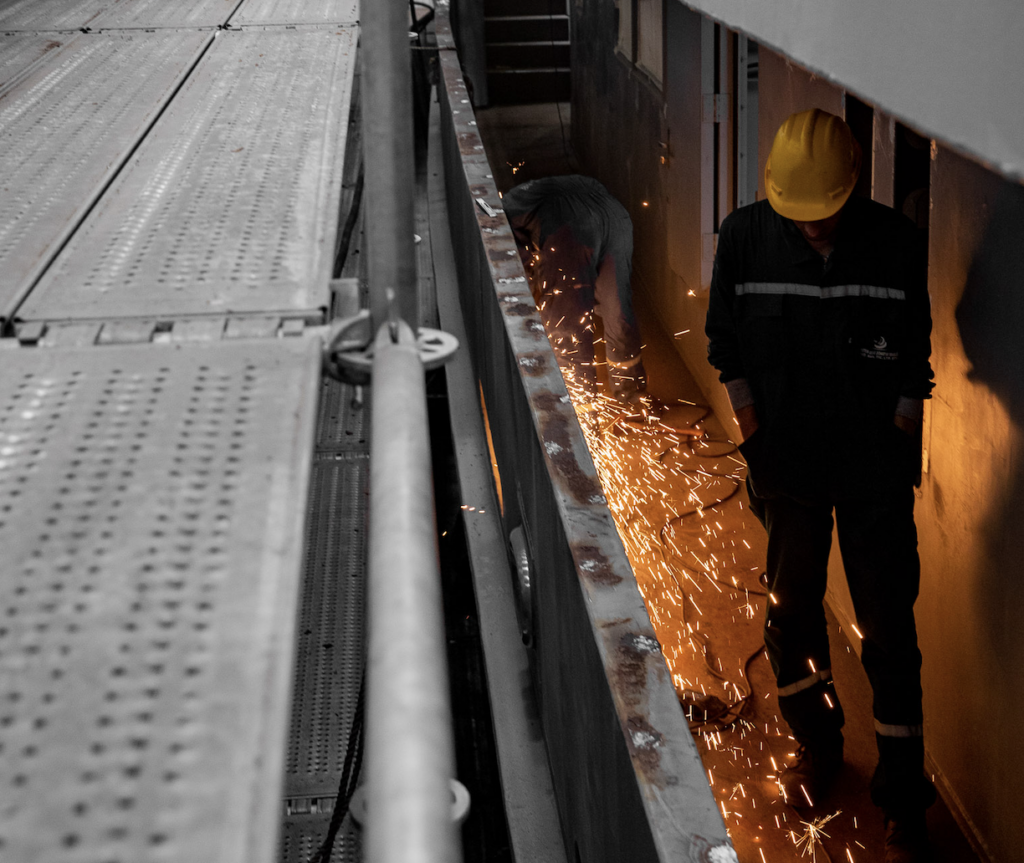
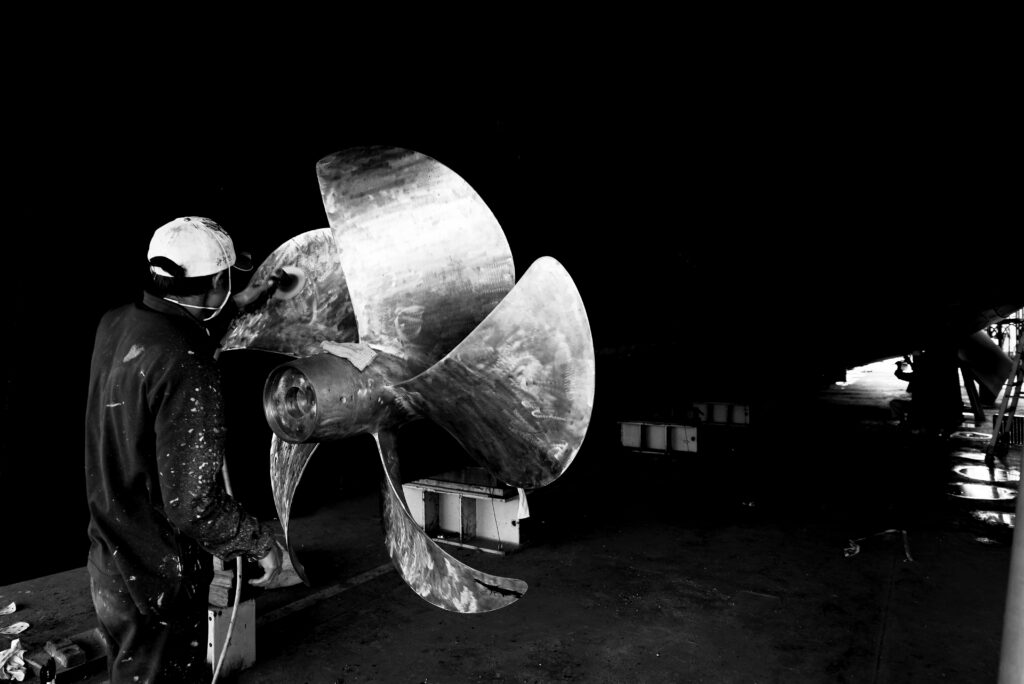
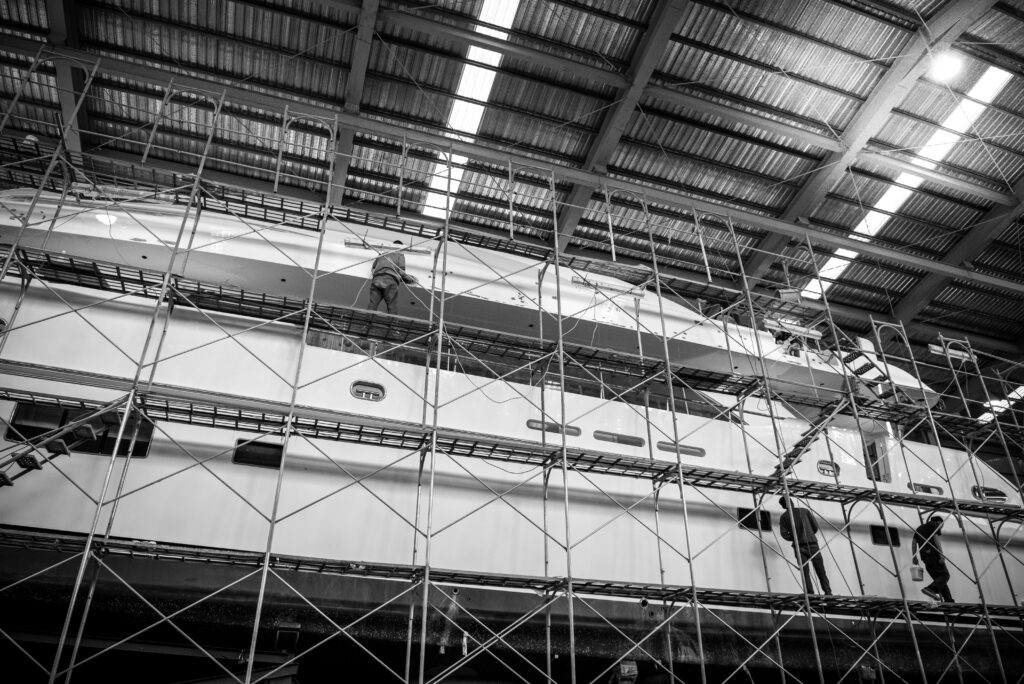
Despite the glamour often associated with the finished product, yacht construction is fundamentally a blue-collar manufacturing industry. Every vessel is a hand-built engineering product requiring years of coordinated work by welders, electricians, engineers, carpenters, painters, naval architects, metal workers, project managers, and hundreds of other specialized suppliers and craftsmen. Much of the workforce is trained through specialized apprenticeship programs and on-the-job development to achieve the exceptionally high skill levels required in modern yacht construction.
Builders Carry the Long-Term Responsibility Behind the Global Fleet the study also underscores the long-term resilience and stability of the sector. With a global fleet approaching 5.600 vessels, superyachts continue generating recurring economic activity for decades after delivery through maintenance, crew employment, marina services, fuel supply, and high-value tourism expenditure followed by refit cycles to keep the yachts up to date and indefinitely postpone an end-of-life stage. Across the global fleet, a single superyacht contributes on average €9 million annually to the economy throughout its lifecycle. This long-term lifecycle also concentrates responsibility on builders themselves.
While thousands of suppliers, designers, contractors, and external stakeholders contribute to each yacht project, the reputation and accountability for the final product ultimately remain with the shipyard whose name stands on the vessel throughout its lifetime. Builders therefore carry disproportionate industrial, financial, operational and reputational responsibility relative to the broader ecosystem their activity enables and sustains.
By connecting economic data with the realities of modern yacht construction, SYBAss’s Builders Advocacy Campaign aims to reinforce recognition of the superyacht industry not simply as a luxury sector, but as a strategic manufacturing ecosystem that preserves craftsmanship, creates highly skilled employment, supports vocational development, innovative spin-off, and drives substantial economic value far beyond the shipyard gates.
As the study data demonstrates, the global superyacht industry is not merely sustained by tourism, operations, and luxury services it is fundamentally made possible by the industrial capabilities, craftsmanship, investment, and long-term commitment of yacht builders.
Strengthening Industry Recognition over the coming months, the Superyacht Builders Advocacy Campaign will continue to share new insights, industry perspectives, and data-driven analysis highlighting the strategic importance of yacht builders within the wider maritime economy. Through this initiative, SYBAss aims to strengthen awareness of the sector’s industrial, economic, and social contribution while supporting greater recognition of the highly skilled workforce, innovation ecosystem, and long-term value creation that underpin modern superyacht construction.
Founded in 2007, SYBAss represents the world’s leading superyacht builders and works to shape the future of superyacht construction through collaboration, shared intelligence, and the continuous elevation of industry standards—redefining excellence, accelerating environmental innovation while sustaining craftsmanship, and demonstrating responsible stewardship of the ocean.